For dogs in Texas, money does not buy happiness
The first thing I noticed when I crossed the border into Texas is the excess. Everything is huge – the freeway system, the volume of chain stores and restaurants, the sprawling cities and suburbs. Texas has the 2nd largest GDP in the country and many Fortune 500 companies. Their nearly three-trillion dollar economy is bigger than Canada’s or Russia’s.
Also huge in Texas: the homeless dog problem. Texas reportedly euthanizes more dogs than any other state, and there are stray dogs everywhere. Houston alone has an estimated 300,000 stray dogs, and some believe the number is much higher.

Lylla was used for breeding, and then ended up in a shelter. After months of no interest, she was slated for euthanasia. The nonprofit Second Chance SPCA gave her a lifeline and is working to find her a home. She’s friendly, loving, seemingly well-trained, and eager to please.
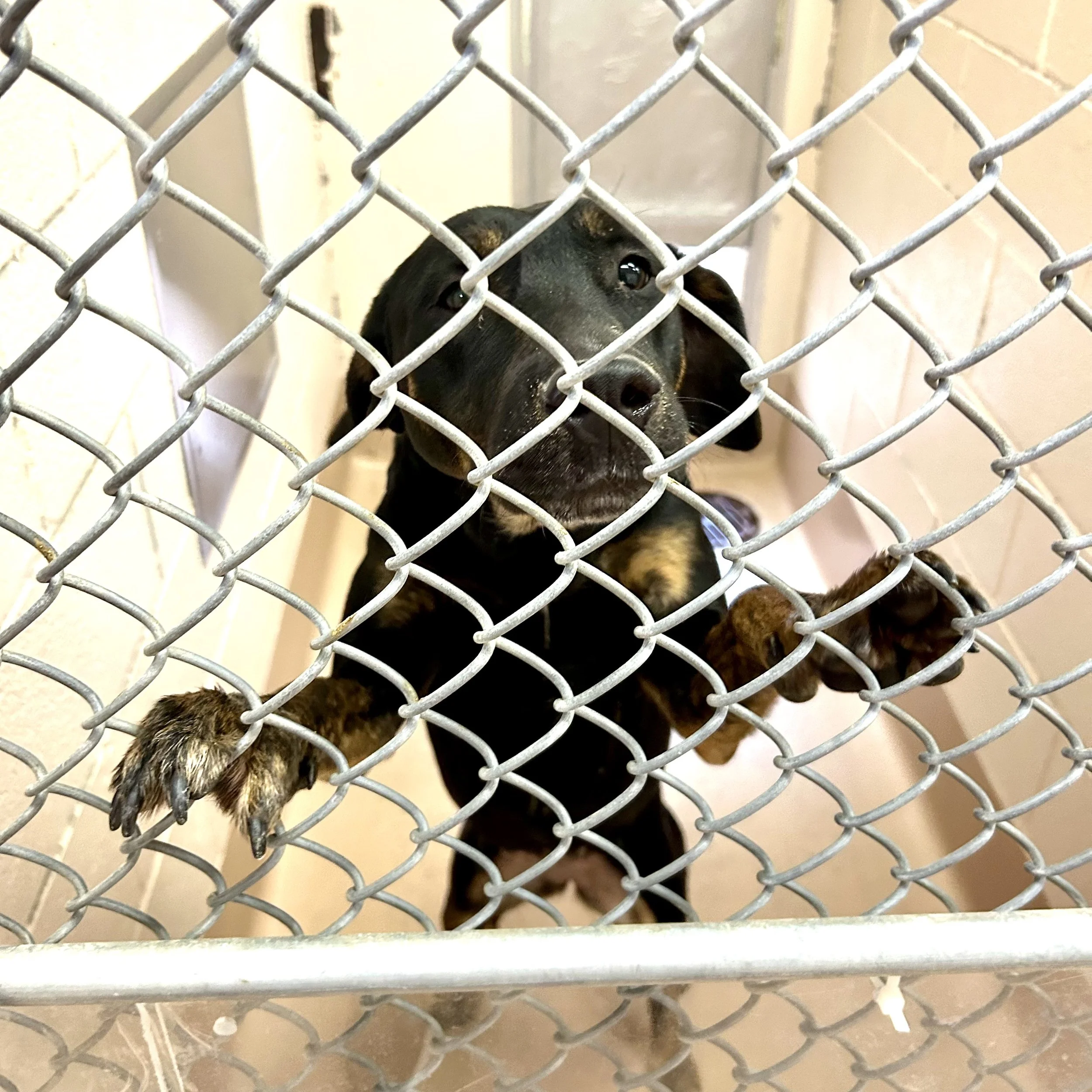
The majority of the dogs up for adoption at a local shelter I visited had been found as strays. Texas is known for dog-dumping. Many people cannot afford their dog’s care. Others grow tired of the work involved in caring for a dog. Shelters are often full. So some people drive their dogs out to rural areas and let them loose to fend for themselves.
Walking through Texas shelters, I saw dog after dog that was ideal for many adopters – young, healthy, and friendly. It’s hard not to think about how many fewer homeless dogs there would be, and how many fewer great dogs would be euthanized if just a bit more of the tremendous wealth in Texas was spent helping animals.
There is some hope. There are an estimated 2,400 shelters and rescue groups in Texas who are doing everything they can to help as many animals as possible.
And some jurisdictions are taking a progressive stance. For example, Dallas passed a law in 2017 that requires dogs over six months of age to be sterilized. Violators are given a “fix-it ticket”, though experts say the law is not well enforced. The SPCA of Texas offers low-cost spay/neuter services to the Dallas community, and in a six-year period, sterilized 45,993 animals. Their efforts are preventing an enormous amount of future unwanted litters and additional stray dogs.
Additionally, recognizing that the problem in Texas won’t resolve itself anytime soon, a number of rescue organizations in the Midwest and east coast transport dogs to their states for adoption, at their own expense, likely saving thousands of dogs each year.
So much is being done, yet there is so much more to do.
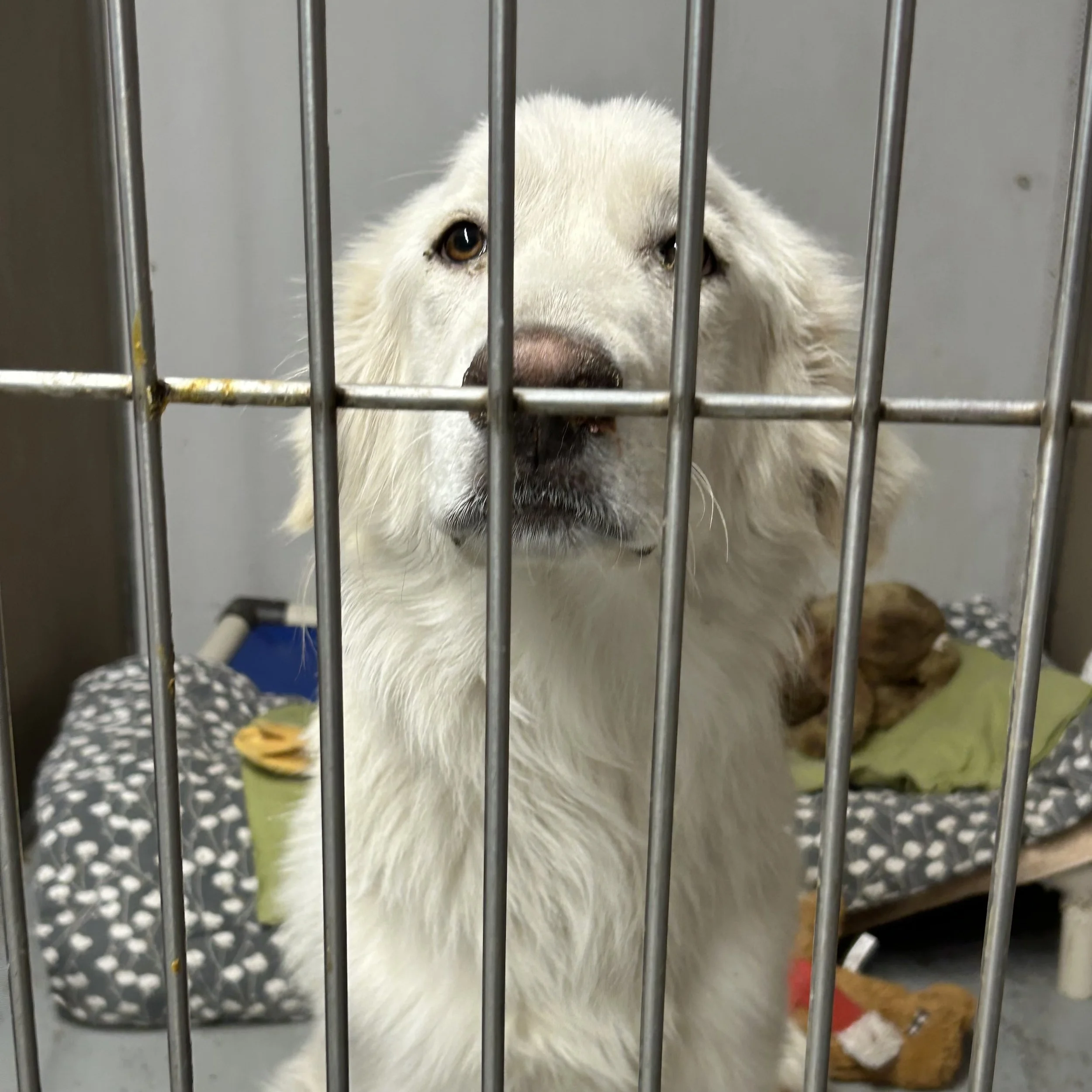
This gentle, beautiful young dog is one of the many hoping for a chance in Texas.