Reason to Hope
A couple years ago I visited animal shelters in the rural south for a project. My traveling partner Kathie, a former coworker, had made the same trip several times. We’ve known each other for a long time and we’ve both seen a lot during our years working in animal welfare.
On the flight down, Kathie told me that if I felt the need to cry at any point during the week, I wouldn’t be judged. I thanked her but didn’t think it would be a problem.
I was wrong.
Every day we headed to a rural animal shelter, and on the drive over, Kathie told me what to expect. The shelters varied in terms of resources, cleanliness, level of care, and number of animals.
Despite Kathie’s warnings, I wasn’t fully prepared to see the conditions that were sometimes unimaginably bad and causing dogs to needlessly die. Parvo, a highly contagious disease that’s preventable with a simple vaccine, spread among the dogs – usually a death sentence. There were shivering puppies huddled together (short video here), trying to keep each other warm. One kennel was covered in blood. The dogs that were healthy were suffering from incredible loneliness. I could see the despondence and desperation in their eyes. Everything felt hopeless.
On one of our last days, we drove to a very rural shelter along with two local rescuers. There were too many dogs to count, most housed outside, and few staff to care for them. As we walked along the kennels, a sad-faced dog named Betty pleaded for my attention. We didn’t have time to take dogs out to play, but I couldn’t look away. It seemed like her spirit was hanging on by a thread.
***
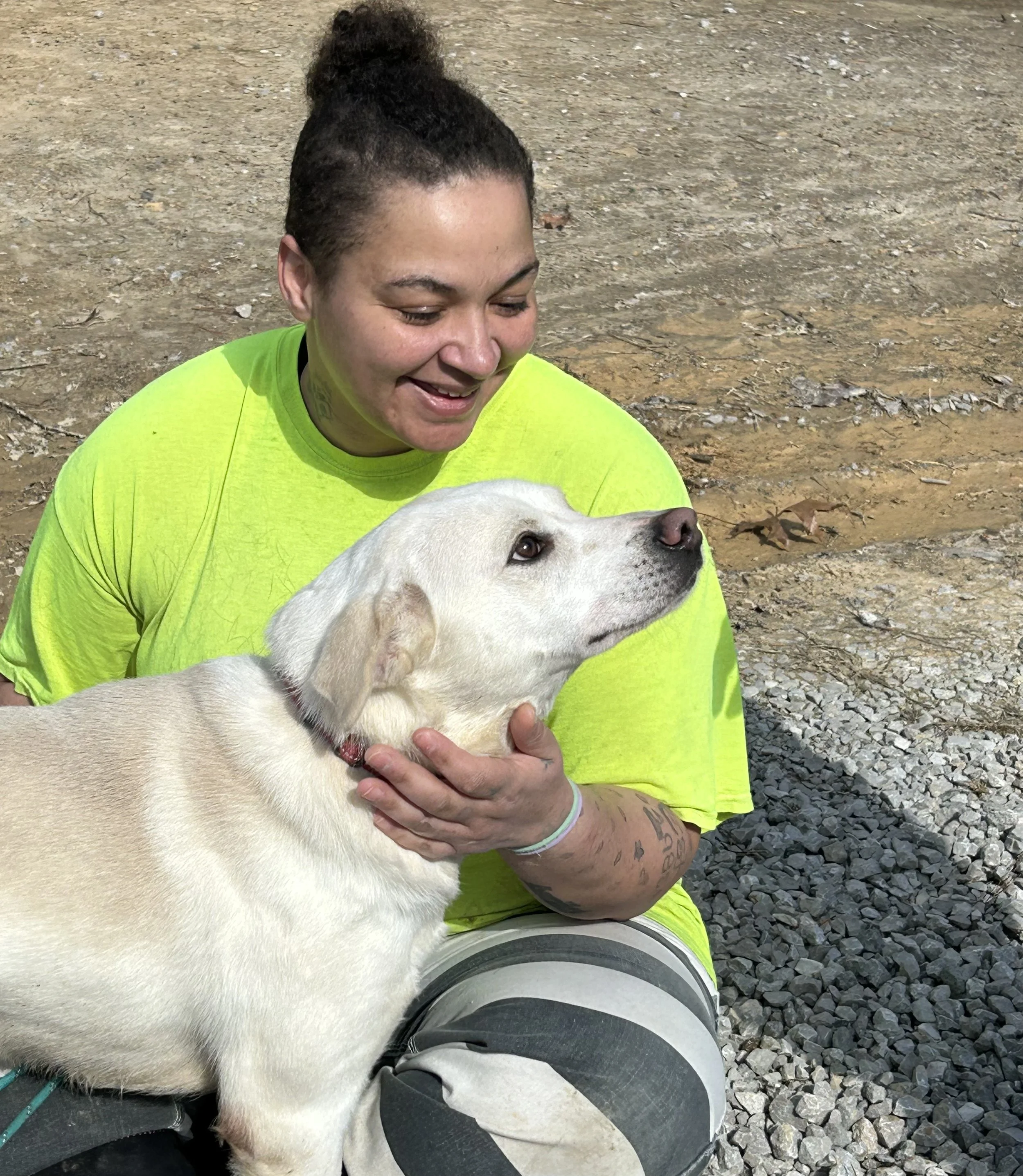
Luckily for Betty, despite the heartbreaking conditions she endured, she also had some friends. Her shelter partners with a local women’s prison down the road. The women spend time with the dogs, take them for walks, and provide them with enrichment and love.
One of the women, temporarily freed from her own cage, noticed my connection with Betty. She beelined over to take Betty out so my coworker and I could meet her. Betty immediately melted in my coworker’s arms, relived to be out of her kennel. The woman from the prison began telling us about Betty. She knew each of the dogs well and highlighted all of Betty’s positive features. She advocated for each dog, trying to help them find them homes.
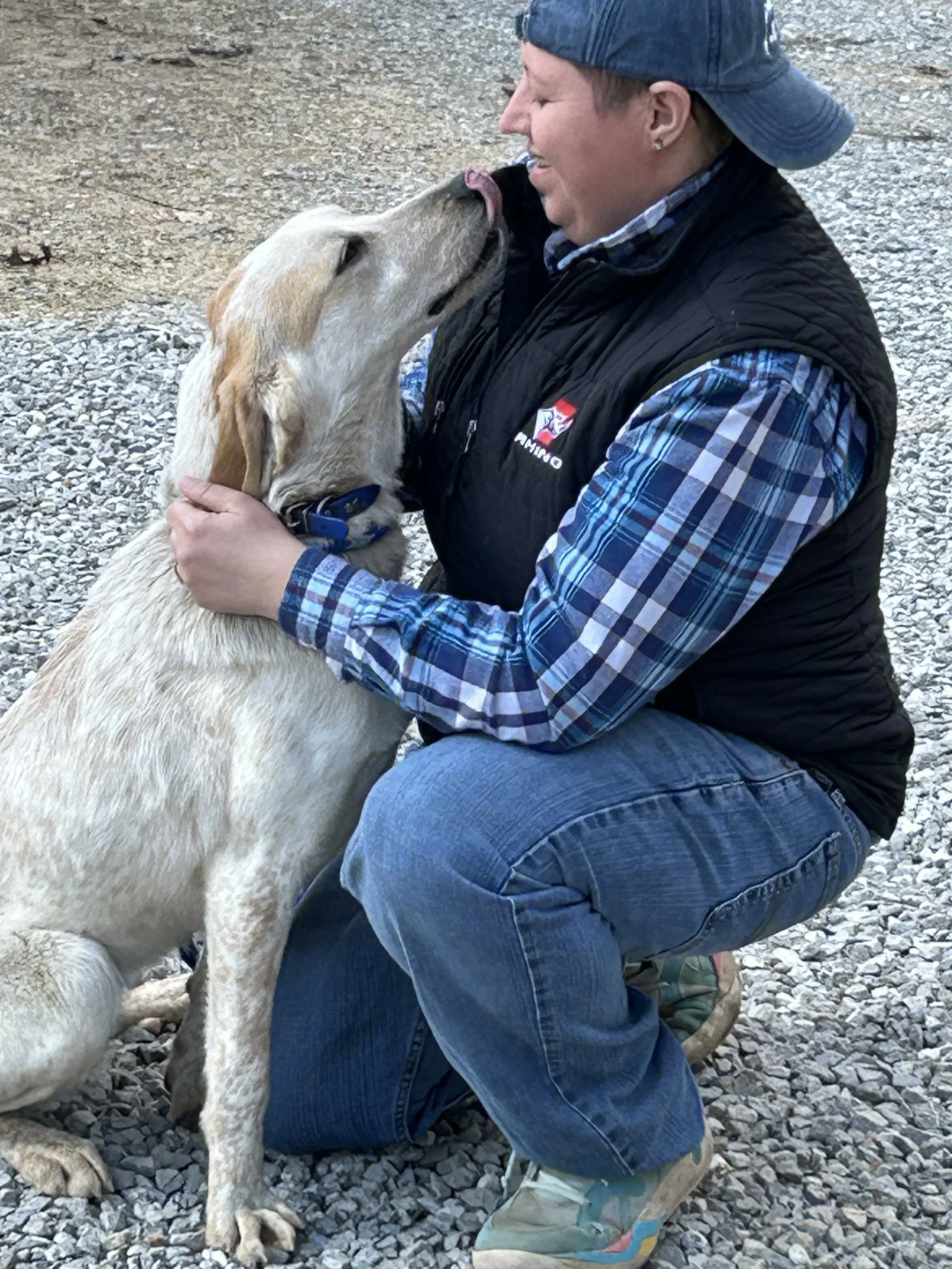
The luckiest dogs from the overcrowded shelters we visited got transported north by my local coworkers for adoption, and the woman from the prison was doing everything she could to help. Her passion, and that of the other women in the program, was contagious.
It was heartbreaking to leave Betty behind. She sunk to the ground in dread as she was brought back to her cage, faced with another day of loneliness, isolation, and stress. But for the first time, I felt a little hope. Kathie did too. As we headed to our car we talked about how lucky the dogs were to have these caring women. We looked at each other and went back inside to thank each of them for all they were doing to help. The women seemed surprised to have their good work noticed. I hope they could sense our appreciation for the impact they were making.
Prison-shelter programs are growing around the country. Participants learn work skills and feel a sense of value in their work. They’re able to connect with the animals and feel their unconditional, non-judgmental love, maybe for the first time in their lives. It opens something up in their hearts. Not surprisingly, prisoners who participate in these programs have very low recidivism rates.
These programs change prisoners’ lives, but the animals are the ones who benefit most. I often think of Betty and wonder what happened to her. I’m grateful for her special friends who made a difference in her life.