Episode 2 with Si Wooler. Catch up on Episode 1 here.
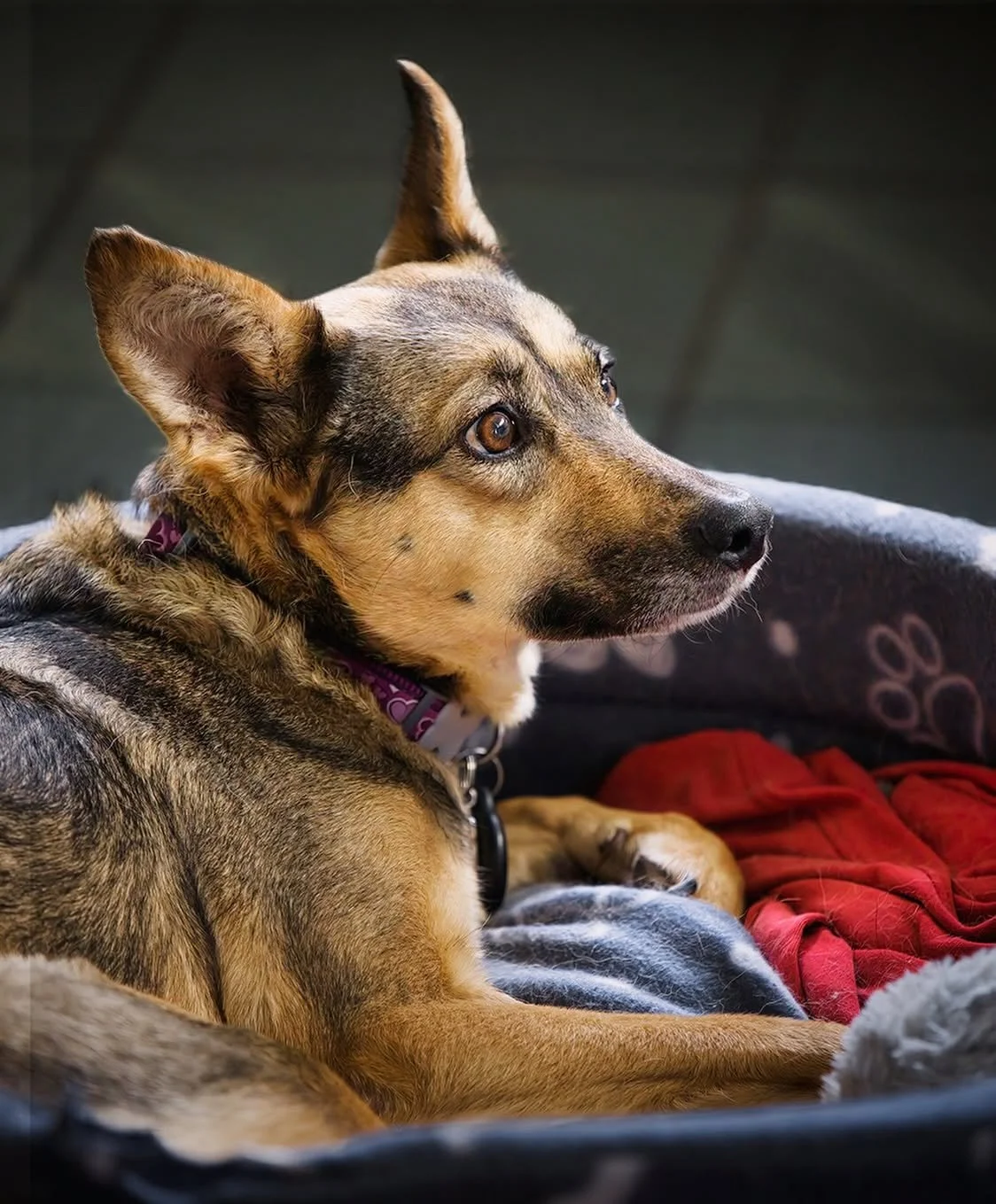
A few years ago, I began following the story of Sophie from Romania, a fearful dog who had been adopted by a kindly British couple. Her adopters Rory and Diane post about her often, showing both her fears and the progress she is making.
Sophie reminds me of our fearful dog Vida, and I was drawn to the approach her family is using to build her confidence. They hired trainer Simon (“Si”) Wooler to teach them how to best help Sophie.
Three years later, Sophie is thriving. Though she is still fearful in some situations, she’s happy and enjoying her life, and the progress she’s made is incredible.
Rory recently posted videos of Sophie having a blast on their beach vacation, bounding playfully in the sand. She is a completely different dog than in their early days together, when she spent much of her first six months with her family hiding behind their sofa.
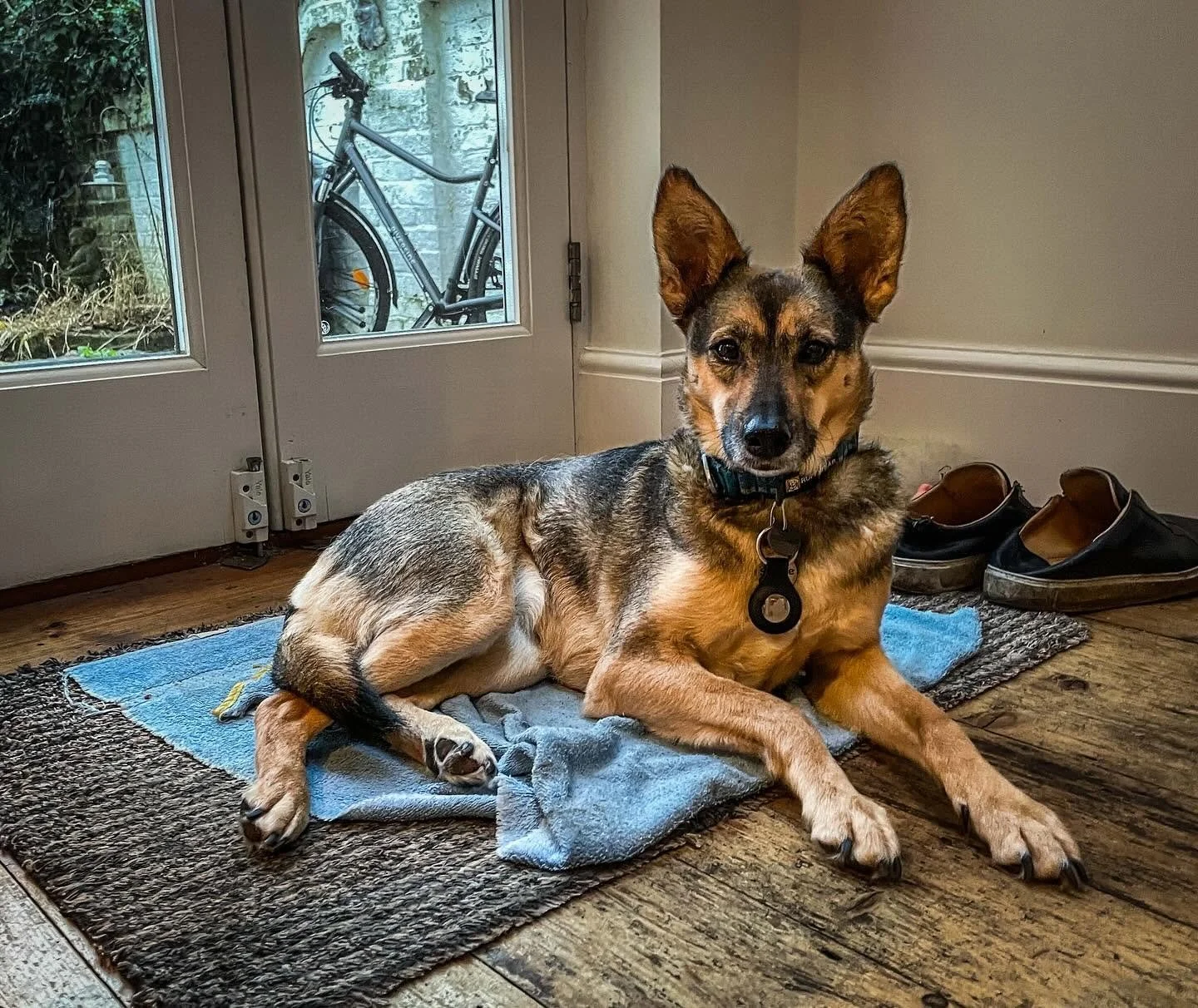
From the day they got her, Sophie’s adopters Rory and Diane kept a simple approach: They met Sophie where she where was at emotionally, without expectation. Their reward has been the joy they’ve experienced with each baby step forward that Sophie makes. “There is a simple truth about our rescue dog – she’s beautiful and we love her. That’s all that matters,” Rory said. That Sophie is more fearful than other dogs doesn’t make them love her any less.
Sophie’s progress has been greatly aided by help from the family’s dog trainer, Si, who specializes in helping traumatized dogs. Si studied at the prestigious Academy for Dog Trainers and he has a deep understanding of how dogs learn. His wisdom has been life-changing for Sophie, and countless other dogs.
A.C.E.
Si teaches A.C.E, a training philosophy built on the principles of acceptance, curiosity, and expectation. The approach he took to help Sophie is:
Acceptance:
Si advises accepting dogs for who they are, respecting their feelings and their limits. The first goal is to ensure a dog feels safe. Si asked Sophie’s family not to coax her to try new things, and instead allow her to make her own choices. “I can’t stress enough that you absolutely should not interfere with whatever safe space the dog has decided is theirs,” Si explains. It’s how a dog self-regulates. “Agency is so important – for dogs to have the choice as to where they go, what they do, when they do it, and whether they do it at all. They’re ethically entitled to that.”
Curiosity:
When a dog trusts the people around them, they feel safe enough to explore. Once they feel secure, dogs become curious, which builds confidence over time. In Sophie’s case, her family allowed her to stay in her safe space behind the sofa as much as she wanted. They gave her space, but gradually did things that made her curious, like quietly rolling a ball across the floor. They opened up opportunities for her curiosity but never pushed her. This approach built critical trust and was more effective than trying to persuade her to do things.
As Sophie’s confidence grew and she was ready to begin meeting new people, her family again allowed her to make her own choices. They asked visitors to toss treats behind her, so that she wasn’t required to get close to the new person in order to receive the reward. Gradually, Sophie viewed newcomers positively, and when she felt ready, approached them.
Expectation:
You can help your fearful dog learn to expect good things rather than bad. With patience and consistent positive experiences, dogs develop a more optimistic outlook of the world.
Si’s wisdom and philosophy provide invaluable guidance for helping shy and fearful dogs. To learn more about Si Wooler: Website Facebook Instagram